India’s e-commerce industry is expected to continue its strong growth trajectory in 2026, driven by increasing internet penetration, digital payments, smartphone adoption, and rising demand from Tier-2 and Tier-3 cities. As one of the country’s largest e-commerce companies, Flipkart has built a massive logistics and delivery network that reaches millions of customers every day.
Because of this strong brand presence, many entrepreneurs search for information about the Flipkart Franchise Cost 2026, hoping to start a business associated with one of India’s leading online marketplaces.
However, before investing, it is important to understand that Flipkart does not operate a traditional franchise model like food chains or retail brands. Instead, most opportunities are available through logistics partnerships, delivery hubs, seller services, warehousing support, and supply chain operations.
This guide explains the investment requirements, profit potential, eligibility criteria, application process, and key considerations for entrepreneurs interested in Flipkart-related business opportunities.
Does Flipkart Offer a Franchise in India?
This is the most searched question regarding Flipkart business opportunities.
As of 2026, Flipkart does not publicly offer a traditional retail franchise model similar to brands like Domino’s, Chai Sutta Bar, or Lenskart.
Instead, entrepreneurs generally participate through:
- Logistics delivery hubs
- Ekart partnerships
- Last-mile delivery operations
- Warehousing support
- Seller service centers
- Transportation contracts
Therefore, when people search for a “Flipkart Franchise,” they are usually referring to a logistics or delivery hub opportunity connected with Flipkart’s supply chain ecosystem.
Types of Flipkart Business Opportunities
Before discussing costs, it is important to understand the available models.
- Delivery Hub Partner
Manage parcel sorting and last-mile delivery operations in a designated area.
- Ekart Logistics Partner
Operate a logistics center that supports Flipkart deliveries.
- Transportation Contractor
Provide vehicles and transportation services for parcel movement.
- Warehouse Support Partner
Assist with inventory storage and fulfillment operations.
- Seller Services Business
Help local businesses list and manage products on Flipkart.
Among these options, delivery hubs remain the most common investment opportunity for small entrepreneurs.
Flipkart Franchise Cost 2026
The investment depends on the business model, city, parcel volume, and infrastructure requirements.
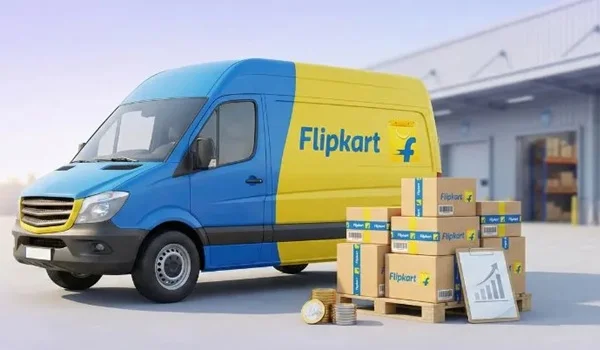
Estimated Investment Breakdown
| Investment Component | Estimated Cost |
| Registration / Onboarding | ₹50,000 – ₹2 lakh |
| Office Setup | ₹50,000 – ₹2 lakh |
| Technology Infrastructure | ₹25,000 – ₹1 lakh |
| Storage & Sorting Area Setup | ₹50,000 – ₹2 lakh |
| Security Deposit (If Applicable) | ₹50,000 – ₹2 lakh |
| Staff Recruitment & Training | ₹50,000 – ₹1.5 lakh |
| Working Capital | ₹1 lakh – ₹5 lakh |
| Miscellaneous Expenses | ₹25,000 – ₹1 lakh |
| Total Estimated Investment | ₹3 lakh – ₹15 lakh+ |
Larger logistics hubs handling significant parcel volumes may require higher investments.
Franchise Fee
Unlike traditional retail franchises, logistics partnerships generally involve lower entry fees.
Estimated Franchise Fee
₹50,000 – ₹2 lakh
The amount may cover:
- Partner registration
- Technology onboarding
- Operational support
- Training programs
- Logistics integration
Always verify current requirements directly through official Flipkart or Ekart channels.
Royalty Charges
Most logistics partnerships operate differently from restaurant franchises.
Instead of charging high royalties, revenue is usually linked to shipment handling and delivery performance.
Estimated Royalty Structure
| Particulars | Estimated Range |
| Royalty Fee | 0% – 5% |
| Technology Fee | May Apply |
| Operational Charges | Depending on Agreement |
Many logistics operators earn based on delivery volume rather than traditional franchise royalties.
Space Requirements
A Flipkart delivery hub focuses on operations rather than customer-facing retail.
Recommended Space Requirement
| Hub Type | Space Required |
| Small Hub | 200–500 sq. ft. |
| Standard Hub | 500–1,000 sq. ft. |
| Large Hub | 1,000–3,000+ sq. ft. |
Facilities should ideally include:
- Easy vehicle access
- Parcel sorting area
- Loading and unloading space
- Internet connectivity
- Basic security arrangements
Ideal Locations for a Flipkart Hub
The best locations generally include:
- Residential clusters
- Commercial markets
- District headquarters
- Tier-2 and Tier-3 cities
- Transportation corridors
- Urban delivery zones
The focus should be on logistics efficiency rather than premium retail visibility.
Eligibility Criteria
Applicants typically need:
Financial Capability
- Investment capacity of ₹3–15 lakh
- Adequate working capital
Infrastructure
- Suitable commercial space
- Internet connection
- Office equipment
Business Skills
- Team management
- Basic computer literacy
- Operational discipline
Documentation
Common requirements may include:
- Aadhaar Card
- PAN Card
- GST Registration (if applicable)
- Bank account details
- Address proof
- Business registration documents
Eligibility criteria may vary depending on the partnership model.
Revenue Sources
A Flipkart logistics partner can earn income from multiple activities.
Parcel Deliveries
Revenue based on successful deliveries.
Parcel Sorting
Compensation for sorting and handling shipments.
Reverse Logistics
Returns and exchange management.
Pickup Services
Collection of products from sellers.
Transportation Support
Movement of parcels between logistics centers.
Higher shipment volume generally leads to greater earnings.
Monthly Revenue Potential
Revenue varies significantly based on location and operational scale.
Estimated Monthly Revenue
| Hub Performance | Monthly Revenue |
| Small Hub | ₹50,000 – ₹2 lakh |
| Medium Hub | ₹2 lakh – ₹5 lakh |
| Large Hub | ₹5 lakh – ₹15 lakh+ |
High-density urban markets generally generate higher shipment volumes.
Profit Margin Analysis
Logistics businesses can be profitable when managed efficiently.
Estimated Margin Structure
| Particulars | Approximate Margin |
| Gross Margin | 20% – 40% |
| Net Profit Margin | 10% – 25% |
| Operating Margin | 12% – 30% |
Profitability depends on:
- Delivery volume
- Staff costs
- Rent
- Fuel expenses
- Operational efficiency
Return on Investment (ROI)
One reason entrepreneurs explore logistics opportunities is the relatively low investment requirement.
Estimated ROI Timeline
| Performance Level | Expected Payback |
| Average Hub | 12–24 Months |
| Good Performance | 8–18 Months |
| High Volume Hub | 6–12 Months |
Actual ROI depends on parcel volume and local market demand.
Why Logistics Businesses are Growing Faster Than Traditional Retail
Several trends support long-term growth:
E-Commerce Expansion
India’s online shopping market continues to grow rapidly.
Rural Market Penetration
E-commerce is expanding into smaller cities and villages.
Asset-Light Business Model
Logistics hubs typically require lower investment than retail stores.
Recurring Demand
Parcel movement creates continuous business opportunities.
Technology-Driven Operations
Modern logistics systems improve efficiency and scalability.
Advantages of Investing in a Flipkart-Linked Logistics Business
Strong Brand Association
Flipkart is one of India’s most trusted e-commerce companies.
Growing Industry
Logistics demand continues to increase every year.
Lower Investment
Requires less capital than many retail franchises.
Faster ROI Potential
Many operators recover their investment relatively quickly.
Scalability
Successful operators can expand into additional territories.
Demand Across India
Strong opportunities exist in both urban and rural markets.
Risks and Challenges
Shipment Volume Dependency
Revenue depends heavily on parcel traffic.
Workforce Management
Managing delivery staff can be challenging.
Operational Pressure
Strict delivery timelines must be maintained.
Competition
Major competitors include:
- Amazon Logistics
- Delhivery
- Blue Dart
- XpressBees
- Ecom Express
- Shadowfax
Staff Turnover
Delivery businesses often experience higher employee turnover.
Operating Expenses to Consider
Before investing, entrepreneurs should account for:
- Office rent
- Employee salaries
- Fuel costs
- Vehicle maintenance
- Internet charges
- Insurance
- Technology fees
- Utilities
Understanding these costs is essential for accurate profitability calculations.
How to Apply for a Flipkart Partnership
The process generally involves:
Step 1
Visit the official Flipkart or Ekart website.
Step 2
Explore logistics partner or business opportunity sections.
Step 3
Submit:
- Personal details
- Business information
- Location details
- Investment capability
Step 4
Feasibility assessment and verification.
Step 5
Agreement signing.
Step 6
Technology onboarding and operational setup.
Step 7
Launch logistics operations.
Always work directly with official company representatives and avoid unauthorized franchise agents.
Is a Flipkart Franchise Worth It in 2026?
For entrepreneurs looking to enter India’s rapidly expanding logistics industry, a Flipkart-linked logistics partnership can be a promising opportunity.
It may be suitable for:
- First-time entrepreneurs
- Logistics operators
- Commercial property owners
- Small business investors
- Individuals with ₹3–15 lakh available for investment
However, success depends more on operational efficiency, shipment volume, workforce management, and local demand than on the brand name itself.
Investors should carefully evaluate costs, delivery potential, infrastructure requirements, and market conditions before making a final decision.
Frequently Asked Questions (FAQs)
Q: Does Flipkart offer a traditional franchise?
A: No. Flipkart primarily operates through logistics partnerships, delivery hubs, warehousing operations, and Ekart service networks rather than traditional retail franchises.
Q: What is the estimated Flipkart franchise cost in 2026?
A: The investment typically ranges from ₹3 lakh to ₹15 lakh or more depending on the logistics model and operational scale.
Q: What is the franchise fee?
A: The estimated onboarding or partnership fee may range between ₹50,000 and ₹2 lakh.
Q: How much space is required?
A: Most delivery hubs require approximately 200–1,000 square feet, while larger sorting facilities may require more space.
Q: What profit margin can I expect?
A: Net profit margins generally range from 10% to 25%, depending on delivery volume and operational efficiency.
Q: How much can a Flipkart logistics partner earn monthly?
A: Monthly revenue can range from ₹50,000 to ₹15 lakh or more based on parcel volume and service area.
Q: How long does it take to recover the investment?
A: Many successful operators achieve payback within 6–24 months.
Q: Is prior logistics experience required?
A: No, but management skills and operational discipline can significantly improve business performance.
Q: Is a Flipkart partnership suitable for Tier-2 and Tier-3 cities?
A: Yes. Much of India’s e-commerce growth is now coming from smaller cities, making them attractive locations for logistics expansion.


