India’s healthcare and pharmaceutical retail sector is among the fastest-growing industries in the country. Rising healthcare awareness, increasing demand for medicines, expanding health insurance coverage, and a growing aging population have created significant opportunities for pharmacy businesses.
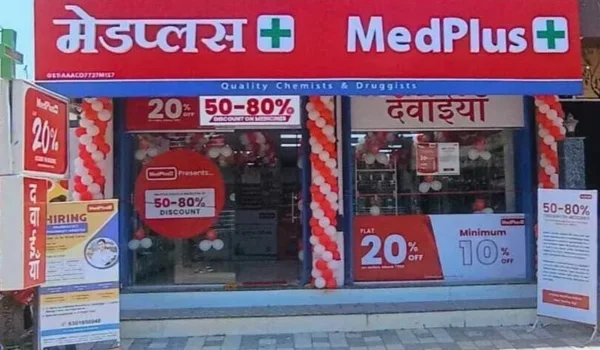
Among organized pharmacy chains, MedPlus has established itself as one of India’s largest and most recognized pharmacy networks. As a result, many entrepreneurs are searching for information about the MedPlus Franchise Cost 2026, investment requirements, profitability, and eligibility criteria.
If you are considering investing in a pharmacy business, this detailed guide covers everything you need to know about MedPlus franchise opportunities, including costs, profit margins, return on investment (ROI), licensing requirements, advantages, risks, and application procedures.
Does MedPlus Offer Franchises in India?
This is the first question most investors ask.
Unlike many pharmacy chains that primarily operate company-owned outlets, MedPlus has historically offered franchise opportunities in selected markets. However, franchise policies can change based on expansion plans and regional strategies.
Interested entrepreneurs should always verify the latest franchise availability directly through official MedPlus channels before making any financial commitment.
Why the Pharmacy Business Remains Attractive in 2026
Several factors continue to support growth in the pharmacy sector:
Essential Nature of Products
Medicines are necessity-based products rather than discretionary purchases.
Growing Healthcare Spending
Healthcare expenditure in India continues to rise.
Expansion of Health Insurance
More insured customers lead to increased medicine purchases.
Aging Population
Demand for chronic disease medications continues to grow.
Online-Offline Integration
Modern pharmacy chains benefit from both physical stores and digital platforms.
These factors make pharmacy businesses relatively resilient compared to many retail sectors.
MedPlus Franchise Cost 2026
The investment required depends on location, store size, inventory requirements, and licensing costs.
Estimated Investment Breakdown
| Investment Component | Estimated Cost |
| Franchise Fee | ₹2 lakh – ₹5 lakh |
| Store Interiors & Branding | ₹3 lakh – ₹8 lakh |
| Furniture & Fixtures | ₹1 lakh – ₹4 lakh |
| Initial Medicine Inventory | ₹8 lakh – ₹20 lakh |
| Computer & Billing Systems | ₹50,000 – ₹2 lakh |
| Drug Licenses & Registrations | ₹50,000 – ₹2 lakh |
| Security Deposit & Rent Advance | ₹2 lakh – ₹10 lakh |
| Working Capital | ₹2 lakh – ₹8 lakh |
| Total Estimated Investment | ₹20 lakh – ₹60 lakh+ |
The majority of the investment is typically allocated toward inventory.
Why Inventory is the Biggest Cost
Unlike food or café franchises, pharmacies require substantial stock levels.
Inventory generally includes:
- Prescription medicines
- Generic medicines
- OTC products
- Surgical items
- Wellness products
- Medical devices
Maintaining adequate stock availability is crucial for customer retention and revenue generation.
Franchise Fee
The franchise fee generally falls within the following range:
Estimated Franchise Fee
₹2 lakh – ₹5 lakh
The fee may include:
- Brand usage rights
- Initial training
- Store setup assistance
- Technology access
- Operational guidance
The exact amount varies based on company policies and location.
Royalty Charges
Royalty structures may vary depending on the franchise agreement.
Estimated Royalty Structure
| Particulars | Estimated Range |
| Royalty Fee | 2% – 6% |
| Marketing Contribution | 1% – 2% |
| Technology Support Fee | If Applicable |
Always review the latest franchise agreement before signing.
Space Requirements
A pharmacy does not require a very large retail space, but accessibility is important.
Recommended Store Size
| Store Type | Space Requirement |
| Small Pharmacy | 150–250 sq. ft. |
| Standard Pharmacy | 250–500 sq. ft. |
| Large Pharmacy | 500–1,000 sq. ft. |
Adequate storage space is essential for inventory management.
Best Locations for a MedPlus Store
Pharmacies generally perform best near:
- Hospitals
- Clinics
- Residential areas
- Medical complexes
- Commercial centers
- Diagnostic laboratories
- High-density urban neighborhoods
Locations with consistent healthcare demand typically generate stronger sales.
Eligibility Criteria
Opening a pharmacy franchise requires compliance with regulatory requirements.
Financial Eligibility
- Investment capability of ₹20–60 lakh
- Adequate working capital
Educational & Licensing Requirements
A pharmacy business typically requires:
- Registered pharmacist (as per local regulations)
- Drug license
- GST registration
- Shop and establishment registration
Regulatory requirements vary by state.
Business Skills
- Inventory management
- Customer service
- Staff supervision
- Compliance management
Licenses Required for a Pharmacy Franchise
Before opening a pharmacy outlet, entrepreneurs generally need:
Drug License
Mandatory for selling medicines.
GST Registration
Required for taxation compliance.
Shop & Establishment Registration
Required in most states.
Pharmacist Registration
A qualified pharmacist is generally required under applicable regulations.
Consult local authorities for current compliance requirements.
Revenue Potential
Revenue varies significantly depending on location and customer traffic.
Estimated Monthly Revenue
| Store Performance | Monthly Revenue |
| Small Store | ₹3 lakh – ₹8 lakh |
| Average Store | ₹8 lakh – ₹20 lakh |
| High Performing Store | ₹20 lakh – ₹50 lakh+ |
Stores near hospitals and medical clusters often perform exceptionally well.
MedPlus Franchise Profit Margin
Medicine retail generally operates on moderate but stable margins.
Estimated Margin Structure
| Category | Margin Range |
| Branded Medicines | 15% – 25% |
| Generic Medicines | 20% – 50% |
| OTC Products | 20% – 40% |
| Wellness Products | 25% – 50% |
Overall Store Profitability
| Particulars | Approximate Margin |
| Gross Margin | 18% – 35% |
| Net Profit Margin | 8% – 18% |
| EBITDA Margin | 10% – 20% |
Product mix plays a major role in profitability.
Return on Investment (ROI)
The pharmacy business is generally viewed as a long-term, stable investment.
Estimated Payback Period
| Store Performance | ROI Timeline |
| Average Store | 3–5 Years |
| Strong Store | 2–4 Years |
| Premium Location | 2–3 Years |
Actual returns depend on sales volume, operating costs, and inventory management.
Additional Revenue Opportunities
Many pharmacy stores generate income beyond prescription medicines.
Health Supplements
Protein powders, vitamins, and wellness products.
Personal Care Products
Beauty and hygiene products often provide higher margins.
Medical Equipment
BP monitors, glucometers, and healthcare devices.
Diagnostics Services
Some stores partner with diagnostic labs.
Online Orders
Home delivery and app-based ordering can increase sales.
Advantages of Investing in a MedPlus Franchise
Essential Industry
Healthcare products are always in demand.
Strong Brand Recognition
MedPlus is one of India’s largest pharmacy chains.
Stable Customer Demand
Medicine demand remains relatively consistent.
Organized Supply Chain
Established procurement systems can improve efficiency.
Growing Healthcare Market
India’s healthcare sector continues to expand rapidly.
Omnichannel Presence
Online and offline integration supports future growth.
Risks and Challenges
Regulatory Compliance
Pharmacies are highly regulated businesses.
Inventory Management
Expired medicines can impact profitability.
Competition
Competition comes from:
- Apollo Pharmacy
- Wellness Forever
- Local pharmacies
- Online pharmacies
- Independent medical stores
Working Capital Requirement
Medicine inventory requires ongoing investment.
Margin Pressure
Certain medicine categories have regulated pricing structures.
Operating Expenses to Consider
Entrepreneurs should budget for:
- Shop rent
- Employee salaries
- Pharmacist salary
- Electricity bills
- Inventory replenishment
- Technology expenses
- Marketing costs
- License renewals
These costs directly influence profitability.
How to Apply for a MedPlus Franchise
The application process generally includes:
Step 1
Visit the official MedPlus website.
Step 2
Submit a franchise inquiry.
Step 3
Provide:
- Personal details
- Preferred location
- Investment capacity
- Business background
Step 4
Location evaluation and feasibility assessment.
Step 5
Documentation and licensing verification.
Step 6
Agreement signing.
Step 7
Store setup, training, and launch.
Always communicate through official company channels and avoid unauthorized agents.
Is a MedPlus Franchise Worth It in 2026?
For entrepreneurs seeking a business in the healthcare sector, a MedPlus franchise can offer a relatively stable and long-term opportunity.
It may be suitable for:
- Healthcare investors
- Pharmacy professionals
- Retail business owners
- Entrepreneurs with ₹20–60 lakh investment capacity
- Investors seeking essential-service businesses
While profit margins may not be as high as some food franchises, the pharmacy business often benefits from steady demand and long-term sustainability.
Success depends on location quality, inventory management, regulatory compliance, and customer service.
Frequently Asked Questions (FAQs)
Q: What is the MedPlus franchise cost in India in 2026?
A: The estimated investment generally ranges from ₹20 lakh to ₹60 lakh or more depending on store size, inventory, and location.
Q: What is the franchise fee?
A: The franchise fee is typically estimated between ₹2 lakh and ₹5 lakh.
Q: How much space is required?
A: Most pharmacy stores require approximately 150–500 square feet of retail space.
Q: What profit margin can a MedPlus franchise earn?
A: Net profit margins generally range from 8% to 18%, depending on product mix and operating efficiency.
Q: How much can a MedPlus store earn monthly?
A: Monthly revenue can range from ₹3 lakh to ₹50 lakh or more depending on location and customer volume.
Q: Is a pharmacist required?
A: Yes. Pharmacy businesses generally require compliance with drug licensing regulations, including the involvement of a qualified pharmacist.
Q: What is the expected ROI period?
A: Most successful pharmacy stores recover their investment within 2–5 years.
Q: Can MedPlus stores sell products besides medicines?
A: Yes. Many stores generate revenue from wellness products, personal care items, supplements, and medical devices.
Q: Is the pharmacy business suitable for Tier-2 and Tier-3 cities?
A: Yes. Rising healthcare awareness and improving medical infrastructure are creating strong opportunities in smaller cities across India.


