India’s fresh fruits and vegetables retail market is undergoing a major transformation. Consumers are increasingly shifting toward organized retail outlets that offer hygienic, quality-checked, and fairly priced produce. This trend has created significant opportunities for franchise businesses in the fresh food and grocery segment.
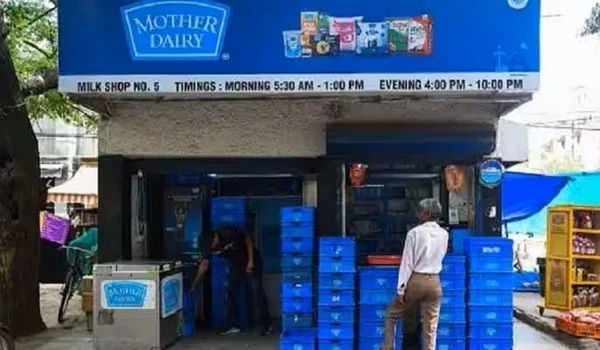
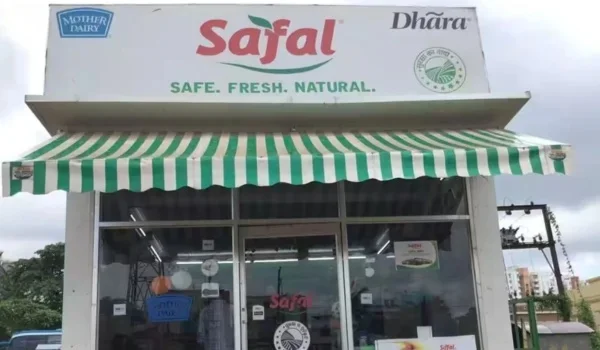
One of the most recognized names in this category is Safal, a retail brand operated by Mother Dairy. Safal outlets are known for selling fresh fruits, vegetables, dairy products, frozen foods, pulses, and grocery items under a trusted brand name.
As a result, many entrepreneurs are searching for information about the Mother Dairy Safal Franchise Cost 2026, investment requirements, profitability, and business potential.
This detailed guide covers everything you need to know before investing in a Safal franchise, including costs, profit margins, ROI, eligibility criteria, operational requirements, and important business considerations.
Mother Dairy Safal Franchise Cost 2026
The total investment depends on outlet size, city, infrastructure requirements, and inventory levels.
Estimated Investment Breakdown
| Investment Component | Estimated Cost |
| Franchise Fee / Security Deposit | ₹1 lakh – ₹3 lakh |
| Store Interiors & Fixtures | ₹2 lakh – ₹6 lakh |
| Refrigeration Equipment | ₹1 lakh – ₹4 lakh |
| Display Racks & Storage | ₹50,000 – ₹2 lakh |
| Initial Inventory | ₹1 lakh – ₹5 lakh |
| Licenses & Registrations | ₹25,000 – ₹1 lakh |
| Security Deposit & Rent Advance | ₹1 lakh – ₹5 lakh |
| Working Capital | ₹1 lakh – ₹4 lakh |
| Total Estimated Investment | ₹8 lakh – ₹30 lakh+ |
Premium locations and larger formats may require higher investment.
Safal Franchise Models
Depending on the location and market potential, different outlet formats may be available.
Mini Safal Outlet
Suitable for:
- Residential areas
- Apartment complexes
- Small commercial zones
Investment
₹8 lakh – ₹15 lakh
Space Requirement
150–300 sq. ft.
Standard Safal Store
Suitable for:
- Urban neighborhoods
- High-density residential areas
- Community markets
Investment
₹15 lakh – ₹25 lakh
Space Requirement
300–800 sq. ft.
Large Format Safal Store
Suitable for:
- High streets
- Commercial hubs
- Premium residential clusters
Investment
₹25 lakh – ₹30 lakh+
Space Requirement
800–1,500 sq. ft.
Franchise Fee
The exact fee can vary depending on location and outlet format.
Estimated Franchise Fee
₹1 lakh – ₹3 lakh
The fee may include:
- Brand usage rights
- Initial training
- Store setup guidance
- Operational support
- Business onboarding assistance
Prospective franchisees should always confirm the latest fee structure directly with Mother Dairy.
Royalty Charges
One of the advantages of grocery and fresh produce businesses is that royalty obligations are generally lower than restaurant franchises.
Estimated Royalty Structure
| Particulars | Estimated Range |
| Royalty Fee | 0% – 4% |
| Marketing Contribution | 0% – 2% |
| Technology Charges | If Applicable |
In some retail models, earnings are primarily driven by product margins rather than royalty-based structures.
Space Requirements
Location plays a critical role in the success of a Safal outlet.
Recommended Store Size
| Outlet Type | Space Requirement |
| Mini Outlet | 150–300 sq. ft. |
| Standard Outlet | 300–800 sq. ft. |
| Large Store | 800–1,500 sq. ft. |
Additional storage space can improve inventory management efficiency.
Best Locations for a Safal Franchise
The following locations generally perform well:
- Residential colonies
- Apartment complexes
- Housing societies
- Urban neighborhoods
- Near schools
- Near metro stations
- Commercial markets
Areas with strong family populations often generate the highest customer traffic.
Eligibility Criteria
Mother Dairy generally seeks reliable retail operators.
Financial Eligibility
- Investment capacity of ₹8–30 lakh
- Adequate working capital
Property Requirements
- Commercial retail space
- Good visibility
- Customer accessibility
Business Skills
- Retail management ability
- Inventory management skills
- Customer service orientation
Previous grocery or retail experience can be beneficial but is not always mandatory.
Revenue Sources in a Safal Franchise
One of the strengths of the Safal model is revenue diversification.
Fresh Fruits
Daily customer demand.
Fresh Vegetables
Core product category.
Dairy Products
Milk, paneer, curd, butter, and ghee.
Frozen Foods
Higher-margin product category.
Grocery Products
Additional basket value per customer.
Packaged Foods
Helps increase overall profitability.
The broader the product range, the greater the earning potential.
Monthly Revenue Potential
Revenue depends on customer footfall, product mix, and location quality.
Estimated Monthly Revenue
| Outlet Performance | Monthly Revenue |
| Small Outlet | ₹3 lakh – ₹8 lakh |
| Average Store | ₹8 lakh – ₹20 lakh |
| High Performing Store | ₹20 lakh – ₹50 lakh+ |
Large residential catchment areas often support stronger sales volumes.
Mother Dairy Safal Franchise Profit Margin
Fresh produce businesses typically operate on moderate but stable margins.
Estimated Margin Structure
| Product Category | Margin Range |
| Fruits & Vegetables | 10% – 25% |
| Dairy Products | 5% – 20% |
| Frozen Foods | 15% – 30% |
| Grocery Products | 10% – 25% |
Overall Store Profitability
| Particulars | Approximate Margin |
| Gross Margin | 15% – 30% |
| Net Profit Margin | 8% – 18% |
| EBITDA Margin | 10% – 20% |
Inventory management and wastage control play a major role in profitability.
Return on Investment (ROI)
Because fresh produce enjoys recurring demand, successful outlets can achieve stable returns.
Estimated Payback Period
| Outlet Performance | Expected ROI |
| Average Store | 2–4 Years |
| Strong Location | 1.5–3 Years |
| High Volume Outlet | 1–2.5 Years |
Actual performance depends on location, operations, and customer retention.
Hidden Costs Many Investors Ignore
Before investing, consider recurring expenses such as:
- Shop rent
- Electricity bills
- Refrigeration maintenance
- Employee salaries
- Product wastage
- Local marketing
- Inventory replenishment
Fresh produce businesses require strong inventory rotation to minimize losses.
Advantages of Investing in a Safal Franchise
Trusted Brand
Mother Dairy has strong credibility among consumers.
Essential Products
Daily-use items create recurring demand.
Multiple Revenue Streams
Fresh produce, dairy, frozen foods, and groceries.
Repeat Customers
Customers often visit several times a week.
Growing Organized Retail Market
Consumer preference for branded outlets is increasing.
Suitable for Urban and Semi-Urban Markets
Demand exists across multiple city categories.
Risks and Challenges
Perishable Inventory
Fresh fruits and vegetables have limited shelf life.
Wastage Risk
Poor inventory management can reduce profits.
Competition
The business competes with:
- Local vegetable vendors
- Modern grocery chains
- Reliance Fresh
- Spencer’s
- Local supermarkets
- Online grocery platforms
Seasonal Price Fluctuations
Wholesale produce prices can vary significantly.
Location Dependency
Customer traffic is critical for success.
How to Apply for a Mother Dairy Safal Franchise
The general application process includes:
Step 1
Visit the official Mother Dairy website.
Step 2
Check for dealership or franchise opportunities.
Step 3
Submit:
- Personal details
- Location information
- Investment capability
- Property details
Step 4
Site evaluation and feasibility assessment.
Step 5
Document verification.
Step 6
Agreement signing.
Step 7
Store setup and launch.
Always apply through official company channels and avoid third-party agents promising guaranteed approvals.
Is a Mother Dairy Safal Franchise Worth It in 2026?
For entrepreneurs seeking a stable retail business focused on essential products, a Safal franchise can be an attractive option.
It may be particularly suitable for:
- First-time entrepreneurs
- Grocery store operators
- Family-run businesses
- Investors with ₹8–30 lakh budgets
- Retailers targeting residential markets
The combination of fresh produce, dairy products, and grocery items provides diversified revenue streams and recurring customer demand.
However, success depends on effective inventory management, location quality, customer service, and minimizing product wastage.
Frequently Asked Questions (FAQs)
Q: What is the Mother Dairy Safal franchise cost in India in 2026?
A: The estimated investment generally ranges between ₹8 lakh and ₹30 lakh or more depending on outlet size and location.
Q: What is the franchise fee?
A: The franchise fee or security deposit is generally estimated between ₹1 lakh and ₹3 lakh.
Q: How much space is required?
A: Most Safal outlets require approximately 150–800 square feet, while larger stores may require more space.
Q: What profit margin can a Safal franchise earn?
A: Net profit margins generally range from 8% to 18%, depending on product mix and inventory management.
Q: How much can a Safal outlet earn monthly?
A: Monthly revenue can range from ₹3 lakh to ₹50 lakh or more depending on location and customer traffic.
Q: What is the expected ROI period?
A: Most successful outlets can potentially recover their investment within 1.5 to 4 years.
Q: Is prior grocery retail experience required?
A: No, although retail and inventory management experience can improve business performance.
Q: Which products offer the highest margins?
A: Frozen foods, packaged grocery products, and value-added food items often generate higher margins than fresh produce.
Q: Is a Safal franchise suitable for Tier-2 cities?
A: Yes. Growing demand for organized grocery retail makes Safal a viable opportunity in many Tier-2 and emerging urban markets across India.